 KETA PILATES
Buying guide
Sea or Air? How to Ship Pilates Equipment from China
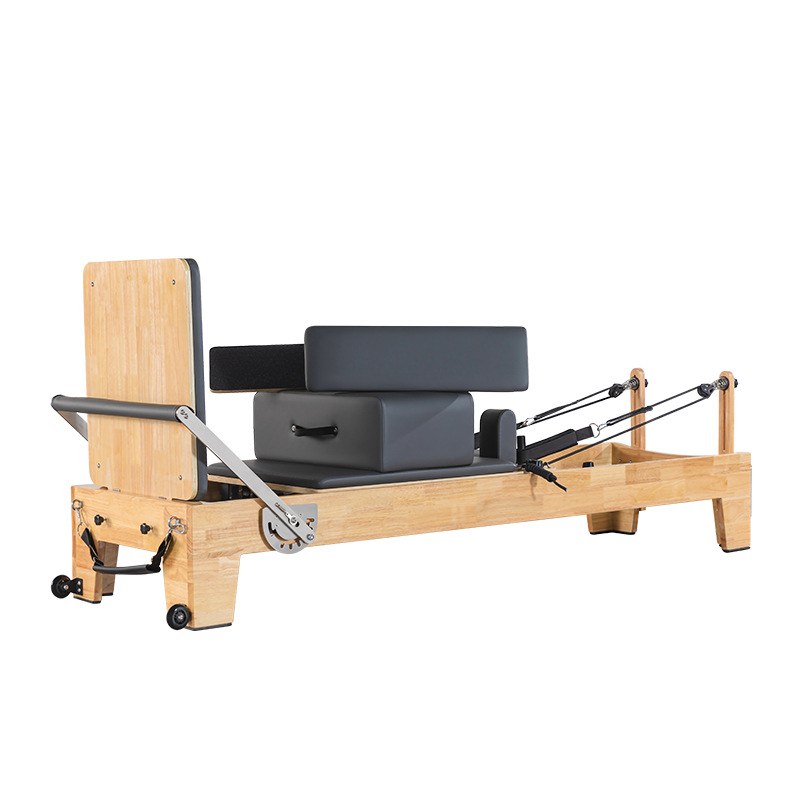
The product is chosen, the quotation is understood, the deposit is paid. Then comes the question that quietly decides 20–40% of your landed cost: how do you actually get the equipment to your door? For most first-time importers, freight is the part they understand least — and the part where a small misunderstanding can turn a good price into a nasty surprise. This guide explains sea vs air, what the Incoterms on your quotation actually mean, how much fits in a container, and the documents you will need.
Sea or air: the 30-second version
- Sea freight is the default for anything close to a full container. It is cheap per unit and slow — typically 25–40 days from a Chinese port to a major destination, plus a few days of customs clearance at each end.
- Air freight is for samples, urgent replacements, or small orders where speed matters more than cost. It is 5–10 times the price per kilogram of sea and lands in 3–7 days.
- Express courier (DHL / FedEx / UPS) is how single samples travel: usually 5–7 days, door to door, with customs handled for you.
Rule of thumb: if you are shipping one reformer, air or express makes sense. If you are shipping a studio's worth of equipment, sea is almost always the right call.
Understand the Incoterms before you compare quotes
A quotation that says "FOB Shanghai" and one that says "CIF Los Angeles" are not the same price for the same reason a "car price" and a "car-plus-delivery price" are not. The letters tell you where the supplier's responsibility ends and yours begins:
- EXW (Ex Works): you collect from the factory. Cheapest headline number, but you arrange everything from pickup onward. Best only if you already have a freight forwarder you trust.
- FOB (Free On Board): the supplier delivers to the port and loads it on the ship. You pay sea freight and import clearance. This is the most common and easiest to compare.
- CFR (Cost and Freight): supplier pays sea freight to your port; you handle import duty and clearance.
- CIF (Cost, Insurance and Freight): supplier pays freight and insurance to your port. Convenient, but you are paying their rate, which is rarely the cheapest.
When comparing two quotations, make sure the Incoterms match. A low EXW price can look attractive next to a CIF price and still cost you more once you add freight, insurance, and handling.
How much fits in a container
Container math decides whether you ship a full container (FCL) or pay for space you do not use. For our reformers:
- A 20ft container holds roughly 30 units of a core reformer.
- A 40ft high-cube container holds roughly 75 units, and because it is only modestly more expensive to ship, the per-unit cost drops sharply.
- A single reformer weighs about 110 kg when packed, so a full 40ft load is heavy but well within limits.
This is why mixing models in one container works so well: instead of ordering 75 of one model, you can combine reformers, chairs, barrels, and towers up to the same volume and still get the lowest per-unit freight. (See our guide on mixing models in one container for the loading plan.)
The documents you will need
Customs does not care how good the equipment is; it cares about paperwork. For a normal sea shipment you should receive:
- Commercial invoice — value and description of goods.
- Packing list — what is in each carton and the total volume/weight.
- Certificate of origin — often required for duty calculation, especially under trade-agreement tariffs.
- Bill of lading / airway bill — the transport document that proves the goods are on the way and lets you claim them.
A supplier who handles export regularly will prepare these without being asked. If you have to chase every document, that is a sign they do not ship often — and customs delays will be your problem, not theirs.
Sample shipments: small, fast, simple
Before a container, most buyers order one or two samples. Samples ship by express courier (DHL / FedEx / UPS), usually within 5–7 days of payment. The sample fee is normally refundable against your later container order, and every model ships with an installation video so you are not guessing at assembly.
One practical note: sample freight is paid by the buyer because couriers bill by actual weight and destination. Ask for the sample freight quote up front so there are no surprises on a small order.
Red flags to watch for
- A supplier who only quotes "door to door" with no breakdown. You should be able to see the product cost and the freight cost separately. If you cannot, you cannot compare.
- No bill of lading copy after sailing. You should receive proof the goods actually shipped, not just a promise.
- Vague port of loading. Regular suppliers ship from known ports (Shanghai, Qingdao, Tianjin are common for east-coast factories). A vague answer suggests they are reselling, not manufacturing.
- Refusal to use FOB or EXW. If a supplier insists only on CIF and will not quote FOB, you lose the ability to shop freight rates yourself.
What to ask before you commit
Before signing off on freight, ask four things:
1. Which Incoterm are you quoting, and can you also quote FOB? Always get FOB so you can benchmark freight independently. 2. Which port do you load from? Match it to your forwarder's lanes. 3. What documents are included, and when do I get the bill of lading? Set the expectation before sailing. 4. For a sample, what is the exact express freight to my city? Small orders should be transparent too.
Freight is the last step before the equipment is in your studio, and it is the step where the most avoidable cost hides. Get the Incoterm clear, get the FOB number, confirm the documents, and the "how do we get it here" question becomes a line item instead of a surprise.
If you are planning a first order and want a realistic freight estimate to your port — or you are not sure whether sea or air makes sense for your quantity — contact us with your city and target models, and we will outline the container size, Incoterm options, and the documents you will need so you can budget the whole landed cost before you commit.
Choosing reformers for a studio or a first container?
Send us your room dimensions, expected weekly usage and destination port. We will tell you which frame and specification actually suits you — and if a cheaper option is the right one, we will say so.
Request a quote