 KETA PILATES
Buying guide
Pilates Equipment Certifications: What Buyers Should Ask Suppliers For
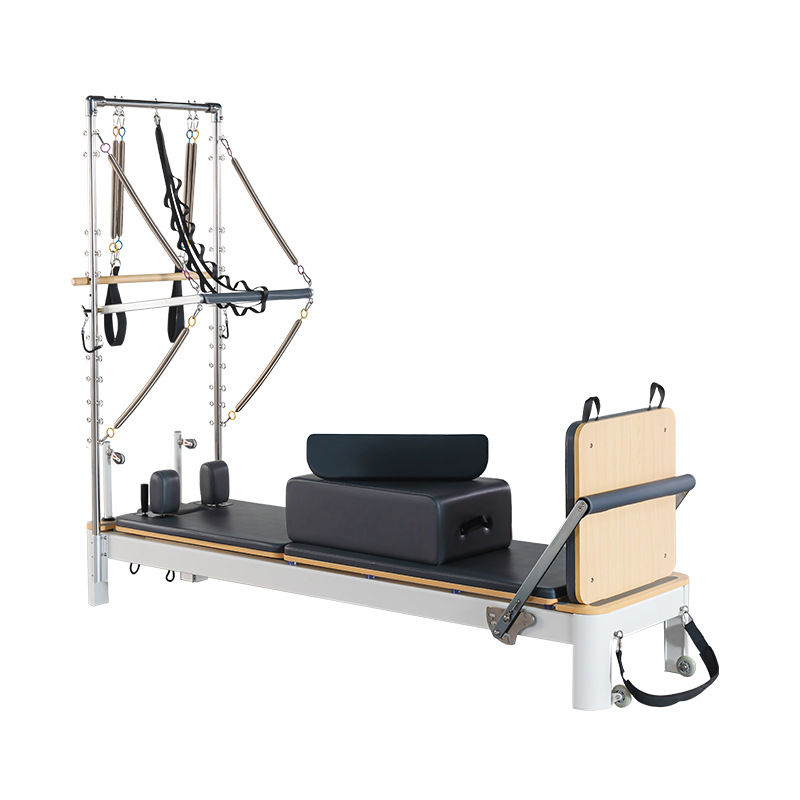
Short answer: before you pay a deposit, ask the supplier for the actual certificate and the test report, not just a logo on a website. Three documents matter for most importers — CE, ISO 9001 and SGS — and each one tells you something different. Knowing what they do, and what they don't, stops you from either over-paying for paperwork or importing equipment that your market won't accept.
This guide explains what each certificate means, what to request from a supplier, and the red flags that mean a "certificate" is worthless.
Why certificates matter at all
A certificate is not a nice-to-have. It affects three things:
- Customs clearance. Some markets ask for proof that fitness equipment meets local safety rules before they let it in.
- Liability and insurance. If a machine fails and someone is hurt, your insurer will ask whether the equipment was certified. No documentation, no cover.
- Client trust. Studios selling classes want to tell customers the gear is safe. A real certificate is your proof.
The mistake most first-time buyers make is treating "CE" as a single yes/no. It isn't. Three different documents answer three different questions.
CE — does the product meet EU safety rules?
CE marking shows the product meets European health, safety and environmental requirements, including the EU Machinery Directive. For a reformer, that means the frame, moving parts, springs and restraints are assessed against safety standards.
What CE is: a conformity mark backed by a technical file the manufacturer must hold.
What CE is not: a grade of quality, a comfort rating, or a promise the machine will last ten years. It is about safety, not durability.
Ask for: the CE declaration of conformity for your exact model, and the standards it was assessed against. A CE mark printed on a brochure with no supporting file is meaningless.
ISO 9001 — is the factory run properly?
ISO 9001 is a quality management certification for the factory, not the product. It says the manufacturer has documented processes for production, inspection and complaint handling. It does not test a single reformer.
Why it still matters: a factory with ISO 9001 is more likely to ship the same unit you sampled, with consistent welding, finishing and QC. For a bulk order, that consistency is what protects you. A supplier with no quality system is a roll of the dice on every container.
SGS — did a third party actually test it?
SGS is an independent testing lab. An SGS report means a recognised third party tested the product (load, materials, safety) and issued findings. This is stronger than a factory's own claim because someone outside the factory verified it.
Ask for: the report number, the date, and the scope (which model and which tests). A real report names the product and the tests performed. "SGS tested" written in a sentence with no report is not evidence.
What to request from a supplier
Before production, ask for four things and keep them on file:
- The CE declaration of conformity for your model.
- The ISO 9001 certificate of the factory, with a valid date.
- The SGS (or equivalent) test report, with report number and scope.
- Confirmation that the certificates cover the exact model you are ordering, not a similar one.
If the supplier hesitates or sends documents for a different model, that is your answer.
Red flags
- A certificate showing a different model name than what you are buying.
- No report number, or a report you cannot verify.
- Dates that have expired.
- "CE certified factory" used to mean a product is certified — it isn't; the product needs its own marking.
Do you need all three?
If you sell into the EU or UK, CE is the one you cannot skip. ISO 9001 and SGS are not legal requirements everywhere, but they are the difference between buying from a serious manufacturer and a workshop that cannot prove what it makes. For a first container, we would not accept a supplier with none of the three.
The bottom line
Certificates are only as good as the documents behind them. Ask for the file, check the model name and the date, and keep a copy before you pay. A supplier who produces real, matching paperwork is already halfway to being the right one.
Want to see ours? Ask for the CE, ISO 9001 and SGS documents for the model you are considering, and we will send the actual files — not a screenshot of a logo.
Choosing reformers for a studio or a first container?
Send us your room dimensions, expected weekly usage and destination port. We will tell you which frame and specification actually suits you — and if a cheaper option is the right one, we will say so.
Request a quote