 KETA PILATES
Buying guide
How to Vet a Pilates Equipment Supplier: 8 Checks
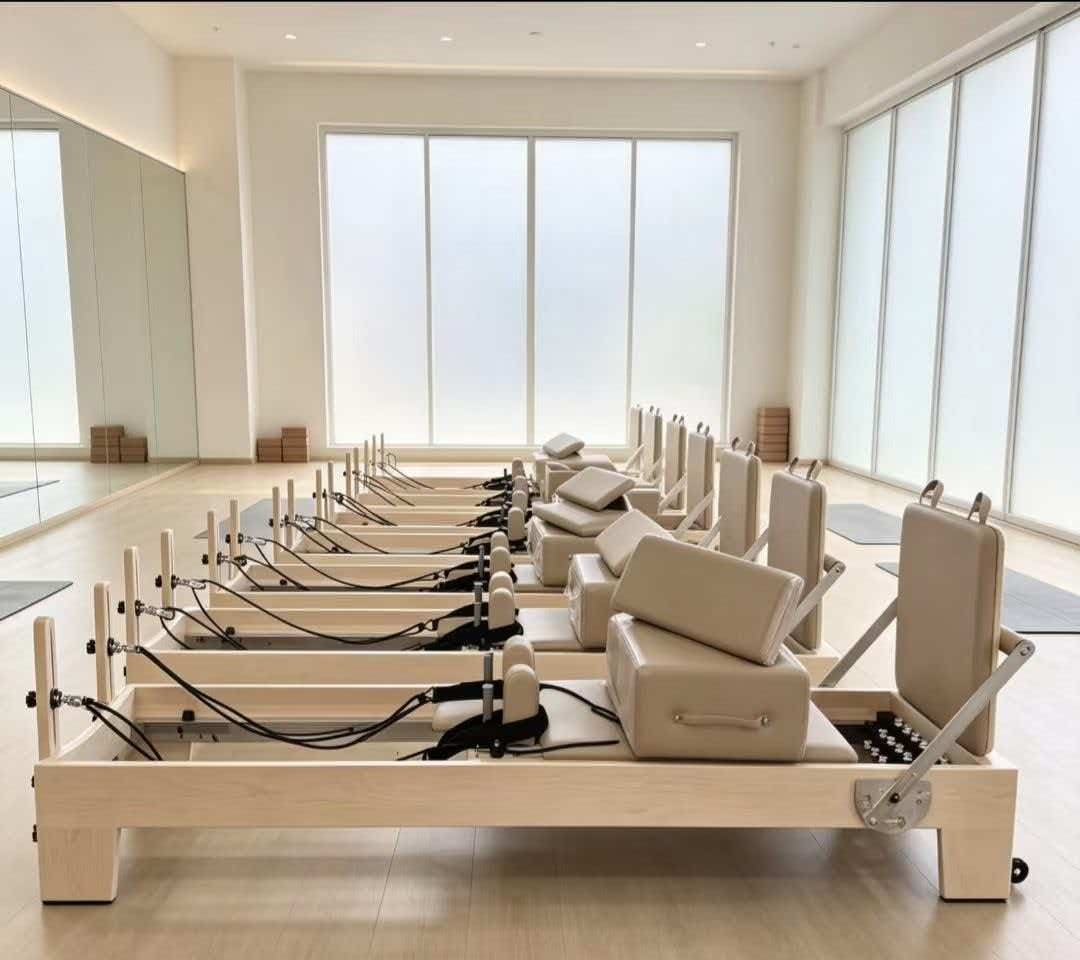
Two reformers can look identical in photographs and differ by five years of service life. That gap is invisible at the quotation stage and expensive at year three — which is why the supplier matters more than the spec sheet.
This is a practical checklist for checking a supplier before you send money. None of it requires a site visit, and a genuine supplier will answer all of it without hesitation.
1. Check the company actually exists
Start with the boring part: the legal entity.
- Ask for the business licence and the registered company name in Chinese, then check it against the name on the bank account you are asked to pay.
- If those two do not match, stop. This single check catches a large share of payment fraud.
- Check how long the entity has been registered, and whether the registered scope includes manufacturing or export.
A supplier who has been exporting under the same entity for years has something to lose. A recently created one does not.
2. Establish whether they make it or source it
Both are legitimate — but you need to know which one you are dealing with, because it changes what they can control.
Ask directly: *do you manufacture these machines, or do you source them from factories?*
- A manufacturer can change a specification, alter a weld, and tell you why a design choice was made.
- A sourcing company can assemble a mixed container across several factories — which is exactly what you want if you need five different models in one shipment.
Neither answer is wrong. What matters is whether the answer is straight and matches what you see when you ask for a video tour.
3. Ask for certificates, then verify them
Certificates are easy to send and easy to fake. Ask for:
- CE marking and the declaration of conformity behind it
- ISO 9001 for the manufacturing process
- Third-party test reports (SGS or equivalent) for the specific models in your order
Then do the two things most buyers skip:
1. Check the certificate number with the issuing body where possible. 2. Check the scope — a certificate covering "gymnastic equipment" is not the same as one covering your reformer, and a certificate issued to another company entirely is worthless.
A good supplier will send scans without arguments and will not mind you checking them.
4. Judge the sample, not the photograph
If you order a sample, look at the things photographs hide:
| What to look at | What you are checking |
|---|---|
| Welds and joints | Smooth, consistent, no spatter or gaps |
| Carriage travel | Moves without play or noise when loaded |
| Springs | Clean coils, secure hooks, consistent resistance across the set |
| Upholstery seams | Straight, tight, no puckering at corners |
| Underside and inside | The parts nobody photographs are where cost gets cut |
Ask for a video of the actual unit that will ship, not a studio sample. If they can only show you one machine, ask why.
5. Insist on pre-shipment inspection
Before the balance is paid, the goods should be inspected against an agreed standard. AQL inspection is the common framework: you agree the acceptable defect level, a defined sample is pulled at random, and you get a written report before the container closes.
Ask three questions:
- Can I appoint inspection myself, or only yours?
- Will I get a written report with photographs before shipment?
- If the inspection fails, what happens — repair, replace, or ship anyway?
A supplier confident in their output will welcome a third-party inspector. One who makes it difficult has told you what you needed to know.
6. Ask to see the factory, live
A video call through the production floor costs nothing and tells you a great deal. Ask to see:
- The assembly line working, not a showroom
- Material stock — what the frames are actually made from
- Finished goods waiting to ship, and their packing
Independent audits exist too — a supplier who has been audited by a recognised inspection body (CTI, for example) can usually share the report. Live video factory tours are also worth requesting: they are harder to stage than photographs.
7. Look at how they communicate
This sounds soft, but it predicts the whole relationship.
Good signs:
- Answers the actual question, including "we cannot do that"
- Gives lead times in writing, and flags risk before you find it yourself
- Tells you when a cheaper model suits you better
Warning signs:
- Every question becomes "yes we can", with no detail
- Pressure to pay quickly, or a discount that expires today
- Vague answers about who makes the machine
The supplier who tells you a foldable model is wrong for your studio has just saved you money. That is the one to keep.
8. Protect the payment
Whatever else you agree:
- Never pay 100% upfront. A deposit with the balance against documents or inspection is standard.
- Verify any change of bank details by phone, using a number you already had. Fraudulent "our account changed" emails are the single most common way importers lose money.
- Use a proforma invoice that matches the final specification, and keep it.
If an email arrives changing bank details, treat it as hostile until you have confirmed it by voice.
We supply reformers, tower reformers, Cadillac reformers, folding models, chairs, barrels and studio equipment, with CE, ISO 9001 and SGS testing on the models we ship. We support AQL pre-shipment inspection, we have been audited by CTI, and we offer live video factory tours — because a buyer who checks is a buyer who comes back.
Choosing reformers for a studio or a first container?
Send us your room dimensions, expected weekly usage and destination port. We will tell you which frame and specification actually suits you — and if a cheaper option is the right one, we will say so.
Request a quote