 KETA PILATES
Buying guide
How to Set Up a Pilates Studio on a Budget
Almost every new studio opens with a budget smaller than the one in the business plan. That is normal. What matters is not how much you have, but which equipment you buy first and which you delay — because buying in the wrong order leaves you with an impressive room that cannot run a full class.
This is how to spend a limited equipment budget without cutting the things that will cost you later.
1. Where the money actually goes
A typical first fit-out breaks down roughly like this:
- Equipment: 60–70% of the equipment budget (see the split below)
- Freight, duty and installation: 10–15% — and this is the line people forget
- Spare parts: 5% — springs, straps, wheels
- Small props and storage: 5–10%
The mistake is budgeting for machines only. Freight alone can move your landed cost by 20%, depending on how well the container is filled.
2. Phase the purchase
Phase 1 — open the doors (essential)
- Six to eight reformers
- One tower reformer
- Spare springs (10–20% of machine count)
- Mats and basic props
This is enough to run a full group class and take paying clients. Everything else can wait.
Phase 2 — add variety (after 3–6 months)
- Cadillac reformer for private work and assessment
- Ladder barrel and chairs
- Additional reformers once you see which class times fill up first
Phase 3 — differentiate (after 12 months)
- Specialty pieces, custom colours, branded upholstery
- Equipment for niche offerings (rehab, pre/post-natal, athlete conditioning)
Phasing works because your timetable tells you what to buy next. Buying everything up front means guessing, and guesses are expensive to reverse.
3. Where you can save — and where you really cannot
Safe to economise on:
- Specialty pieces in phase 1 (barrels and chairs are cheap relative to reformers)
- Custom colours and logo work at the beginning
- Quantity of Cadillac units — one is enough for most studios
Not safe to economise on:
- Commercial load rating. A reformer used six hours a day, six days a week goes through roughly 150,000 carriage cycles a year. Light-duty machines start showing play in the carriage within twelve months.
- Spring quality. Cheap springs lose tension unevenly, so two machines in the same class feel different. Instructors notice immediately, and it becomes a safety issue, not just a comfort one.
- Foam density. Below about 30 kg/m³, carriage foam flattens within a year of daily use. Reupholstering costs more than specifying it correctly.
A simple rule: save on how much you buy, not on what you buy. Eight good reformers serve you better than twelve cheap ones.
4. Used equipment: when it makes sense
Used reformers can be a genuine option, with three conditions:
- Parts are still available. If the model is discontinued, springs and straps become a problem.
- The frame is straight and the carriage runs true. Push it along the full rail and check for lateral play.
- You can inspect before paying. Photos do not show worn bearings.
What you give up: warranty, certification documents for your insurer, and predictable spare parts. For a home studio that is a fair trade. For a commercial timetable it usually is not.
5. The costs that surprise people
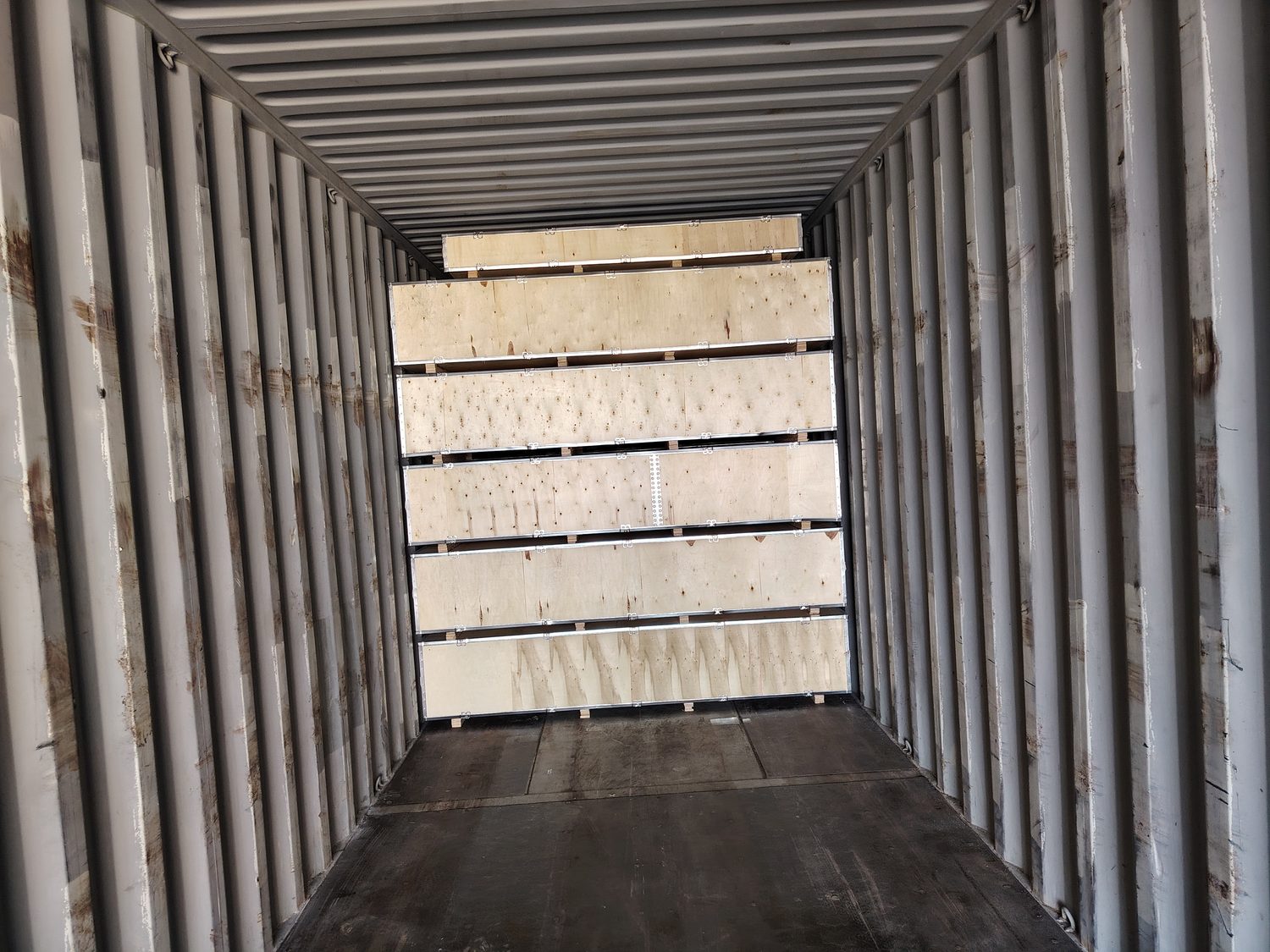
- Freight per machine. As a working reference, a 20ft container takes about 30 reformers and a 40ft high cube about 75; each unit ships at roughly 110 kg gross weight. Consolidating an order can cut freight per machine by more than half compared with two smaller shipments.
- Assembly time. Selected models include an English printed manual, and installation videos are available for every model — get them before the container lands so your team is ready.
- Spare parts shipped separately. Always cheaper with the machines, never after.
- Downtime. One machine out of service in a room of ten costs about 10% of your class capacity. Budget one buffer machine per ten in service.
6. Practical sequence for a tight budget
1. Buy reformers first — they generate the revenue 2. Add one tower reformer — the best value upgrade per dollar 3. Add spare springs and one buffer machine 4. Add specialty pieces once the timetable is full 5. Add Cadillac and customisation last
If the budget runs short at any point, you are already operational — which is a far better place to be than half-equipped with the wrong mix.
We build reformers, tower reformers and Cadillac reformers in aluminium, oak, maple and beech, with MOQ from 5 pieces and mixed models in one container. Tell us your budget and class plan, and we will tell you honestly what to buy now and what to leave for later.
Choosing reformers for a studio or a first container?
Send us your room dimensions, expected weekly usage and destination port. We will tell you which frame and specification actually suits you — and if a cheaper option is the right one, we will say so.
Request a quote