 KETA PILATES
Buying guide
How to Read a Pilates Reformer Quotation
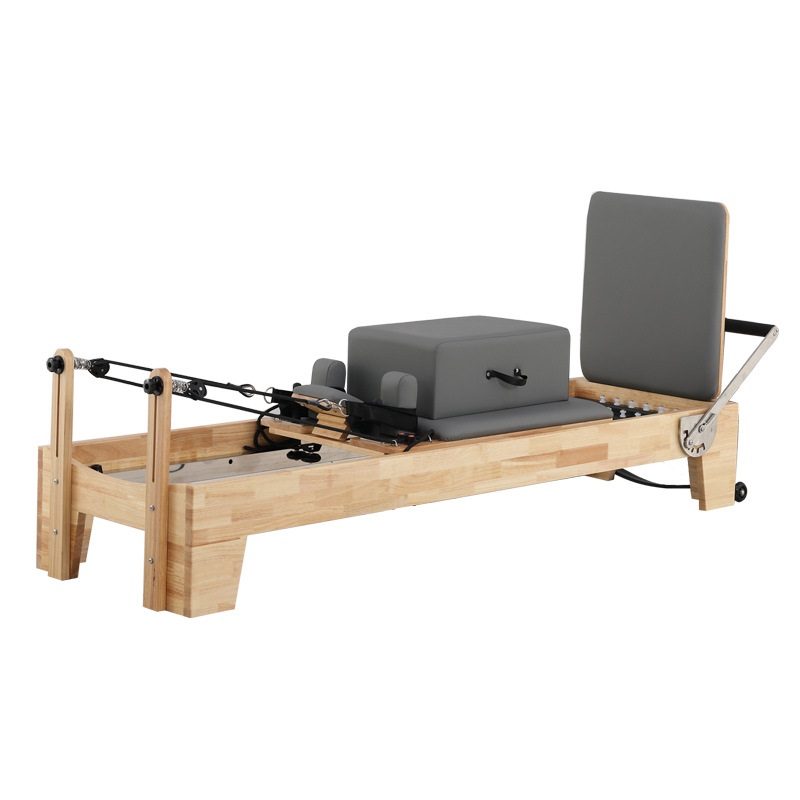
A reformer quotation is not a price tag — it is a spec sheet written in the supplier's shorthand. The number at the bottom matters, but the lines above it tell you whether that number is for the machine you think you are buying. Importers who read only the total are the ones who get surprised at the container, or at the first warranty claim. This guide walks through every line a commercial reformer quote should contain, what each one tells you, and the gaps that should make you ask a second question before you pay.
1. The unit price — read it with three questions
Never read the unit price on its own. Ask what it includes:
- Is it EXW, FOB or CIF? A low EXW price becomes much higher once you add local trucking, export docs, ocean freight and insurance. Compare quotes on the same Incoterm, or you are comparing different things.
- What is the MOQ? A tempting unit price may only apply at 100 pieces. Smaller trial orders often carry a surcharge, which is normal — just know the threshold.
- Does it include the frame variant you want? Aluminium and hardwood frames are priced differently, and within wood, oak, maple and beech sit at different points. A quote that just says "wood reformer" is not finished yet.
2. Frame material and species
This line decides both price and where the machine belongs:
- Aluminium: lighter, easy to move, resists humidity and cleaning chemicals — a fit for clinical and humid rooms.
- Oak / maple / beech: reads premium, warmer in a boutique studio, but each species has its own price and hardness.
If the quote does not name the species, ask. "Wood reformer" can mean anything from a soft frame to a dense hardwood, and the two do not perform or price the same.
3. Load rating and build standard
A commercial studio needs a commercial load rating — typically rated for daily, multi-client use. Two reformer-shaped objects can look identical and sit in completely different weight classes. The rating on the quote is your first signal of whether the unit is built for a studio or a quiet home corner. If the quote omits the load rating, treat that as a missing safety line, not a detail.
4. Springs, upholstery and the parts that wear
The parts that fail first are never in the product photo. Check the quote for:
- Spring count and type. Five to six commercial springs give finer resistance steps than three or four. Ask whether springs are replaceable and what a replacement set costs.
- Upholstery density. High-density foam holds its shape under daily use; thin foam dips within months. Ask for the density rating.
- Carriage and rails. Smooth, quiet travel comes from the rail and bearing quality, not the frame colour. If the quote lists "commercial carriage," ask what that means in numbers.
5. The certification line
Certifications are where quotes diverge most honestly. Common entries:
- CE: the mark you need to sell in the EU. Confirm it covers the actual model, not a generic family.
- ISO 9001: says the factory runs a quality system — it is about process, not a single product test.
- Third-party tested (SGS, TÜV and similar): an independent lab checked the unit. This carries more weight than a self-issued statement.
A quote that lists none of these is not automatically bad, but you are then relying entirely on the supplier's word. For a commercial order, ask what documents ship with the container.
6. What is actually in the crate
A good quote states packing clearly: how the unit is wrapped, whether it is crated or flat-packed, and what rides inside. For a studio order you should expect:
- a set of basic spare fittings (screws and small hardware) per unit or per order;
- an installation video for the model you bought;
- clear marking so you know which crate holds which model when the container opens.
Springs, ropes, wheels and straps are wear items and are normally bought separately — the quote should say so rather than imply they are lifetime parts.
7. Incoterms and what is NOT included
The most expensive surprises hide in the lines that are absent. A quote rarely includes:
- ocean or air freight to your port;
- import duty and local taxes (these vary by country and by material);
- last-mile delivery from the port to your studio;
- assembly labour.
Read the Incoterm as the boundary of the supplier's responsibility. Everything past that line is your cost to plan. Asking the supplier for a landed-cost estimate to your door is reasonable and separates suppliers who know their export lane from those who only know their loading bay.
8. The red-flag lines
A few patterns should slow you down before you sign:
- No model-specific specs. "High quality reformer" with no load rating, no spring count, no dimensions.
- No MOQ stated. Either the price is a placeholder or the supplier is hoping you will not ask.
- No inspection mentioned. For a commercial container, an AQL pre-shipment check is the standard protection; its absence is a gap, not a saving.
- Vague certification. "CE available" without the actual certificate for the model.
None of these is a hard disqualifier on its own, but together they describe a quote you cannot plan a business around.
9. The bottom line
Read the quote as a contract of expectations, not a number to beat. The unit price matters, but the frame species, load rating, spring set, certifications, packing contents and Incoterm tell you what you are actually buying and what you will still pay for after the container lands. When two quotes differ, line up the specs first — the cheaper one is often just quieter about what it leaves out.
We quote on a clear commercial standard so you can read every line: aluminium or oak / maple / beech frames, a commercial load rating, five to six replaceable springs, high-density upholstery, CE / ISO 9001 and SGS-tested where applicable, AQL pre-shipment inspection, CTI-audited production and a live video factory tour. MOQ is 5 pieces and you can mix reformers, tower units and Cadillacs in one container. Spare fittings and an installation video ship with the order.
Choosing reformers for a studio or a first container?
Send us your room dimensions, expected weekly usage and destination port. We will tell you which frame and specification actually suits you — and if a cheaper option is the right one, we will say so.
Request a quote