 KETA PILATES
Buying guide
How to Maintain a Pilates Reformer: Daily, Weekly and Monthly Care
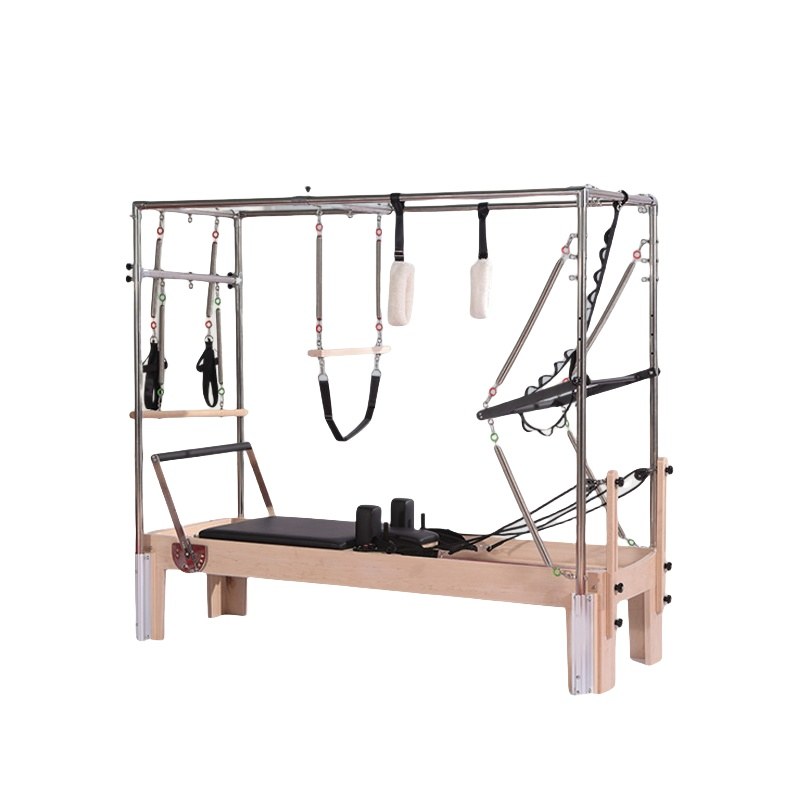
A reformer is a long-term investment. A studio bed that gets used thirty times a day will last for years if it is cared for, and fail inside eighteen months if it is not. The good news: most reformer maintenance is simple, cheap, and takes a few minutes. This guide walks through what to do daily, weekly, and monthly, which parts wear out first, and what to keep on hand so a small problem never turns into a closed studio for a day.
Why maintenance matters more than the spec sheet
When buyers compare reformers, they focus on frame material, carriage travel, and price. Those matter. But the difference between a bed that feels new at year five and one that squeaks at month six is almost never the hardware — it is the cleaning and checking habit.
Three things go wrong when maintenance is skipped:
- Dirty rails cause the carriage to drag, which wears the wheels and makes every movement noisy.
- Ignored springs and ropes quietly lose tension or fray, and a snapped rope mid-session is both dangerous and expensive.
- Moisture on wood frames lifts the finish and loosens joints, which is hard and costly to reverse.
None of these are inherent faults of the equipment. They are habits. Build the habit and the machine takes care of itself.
Daily: two minutes between sessions
At the end of each day, do three things:
1. Wipe the rails and carriage with a lightly damp microfiber cloth. No spray directly on the frame — spray the cloth, then wipe. This removes sweat, dust, and the fine rubber dust that wheels shed. 2. Check the straps and ropes by eye. Look for fraying, hardening, or shiny wear spots near the attachment points. Thirty seconds of looking prevents a mid-class failure. 3. Spot-clean the jump board and padded surfaces with a mild disinfectant wipe. Let them air dry; do not stack anything wet on the pads.
That is the whole daily routine. It takes less time than opening the studio.
Weekly: ten minutes of prevention
Once a week, go a little deeper:
- Lubricate the rails lightly. Use a dry PTFE-style glide, not oil. Oil attracts dust and turns into a grinding paste within a week. A thin, even film is enough.
- Inspect the springs. Check that each spring is seated in its hook and shows no rust or over-stretch. Springs are the one part that genuinely wears with use, and they are designed to be replaced.
- Tighten visible bolts. Footbar, shoulder rests, and frame joints can loosen slightly with heavy use. A quarter-turn with the right wrench keeps everything solid.
- Test the safety strap and stopper. These are the parts nobody thinks about until they are needed. Confirm they engage cleanly.
A studio running five beds can do all five in under an hour, once a week.
Monthly: the longer look
Monthly, treat the frame and the moving parts:
- Wood frames (oak, maple, beech): wipe with a dry or barely-damp cloth. Never soak, never use citrus or bleach cleaners — they strip the finish. A periodic furniture conditioner keeps the wood from drying and cracking in heated studios.
- Aluminium frames: a standard non-abrasive cleaner is fine. Check that the powder-coat has no chips exposing bare metal; touch up small chips to stop corrosion.
- Wheels and belts: confirm the carriage rolls smoothly end to end with no catch. If it catches at one point, the rail has debris or a wheel is worn — both are easy fixes early, expensive later.
- Document wear. A simple log of "which bed, what checked, what replaced" tells you when a unit is due and protects you if a client claims an injury from faulty equipment.
The parts that actually wear out
Every reformer has consumable parts. Knowing them in advance means you order before you need them, not after a class is cancelled.
- Springs: the primary wear item. Most studios replace springs on a schedule (commonly every 12–24 months of daily use) rather than waiting for failure.
- Ropes and straps: inspect monthly; replace at the first sign of fraying.
- Wheels / carriage bearings: replace when the carriage drags or noises appear.
- Padded straps and handles: cosmetic but worth keeping fresh for client perception.
This is why a good supplier sells these parts on their own. At KETA, springs, ropes, wheels, and straps are available as individual replacements, and every order ships with a free hardware kit (screws and small fittings) so routine tightening never means a separate emergency order.
What to ask your supplier before you buy
Maintenance is easier when the equipment is built for it. Before ordering, ask:
1. Are wear parts sold separately? If the answer is "only as a full set," your running cost just went up. 2. Are there installation or care videos? A short video beats a PDF when a new instructor needs to re-tension a spring. 3. What is the recommended replacement interval for springs? A supplier who quotes a number knows their product; one who guesses does not. 4. Is there a free spare-parts kit with the first order? Small, but it tells you whether they think about your month-two reality.
These questions also reveal whether a factory understands commercial use. A bed sold to a home user and a bed sold to a studio with eight classes a day are not the same product, and the answers will show it.
Small habits, long life
None of this is complicated. Daily wipe, weekly lube and bolt-check, monthly frame and wheel review, and a box of replacement springs and ropes on the shelf. That routine is the difference between a reformer that feels premium in year four and one that gets quietly replaced in year two.
If you are specifying equipment for a new or expanding studio and want to know which models are easiest to service, or what a sensible spare-parts starter kit looks like for your class volume, contact us for a recommendation based on your setup — we will point you to the frame and parts plan that fits how often your beds actually run.
Choosing reformers for a studio or a first container?
Send us your room dimensions, expected weekly usage and destination port. We will tell you which frame and specification actually suits you — and if a cheaper option is the right one, we will say so.
Request a quote