 KETA PILATES
Buying guide
How to Import Pilates Equipment from China: A Buyer's Guide
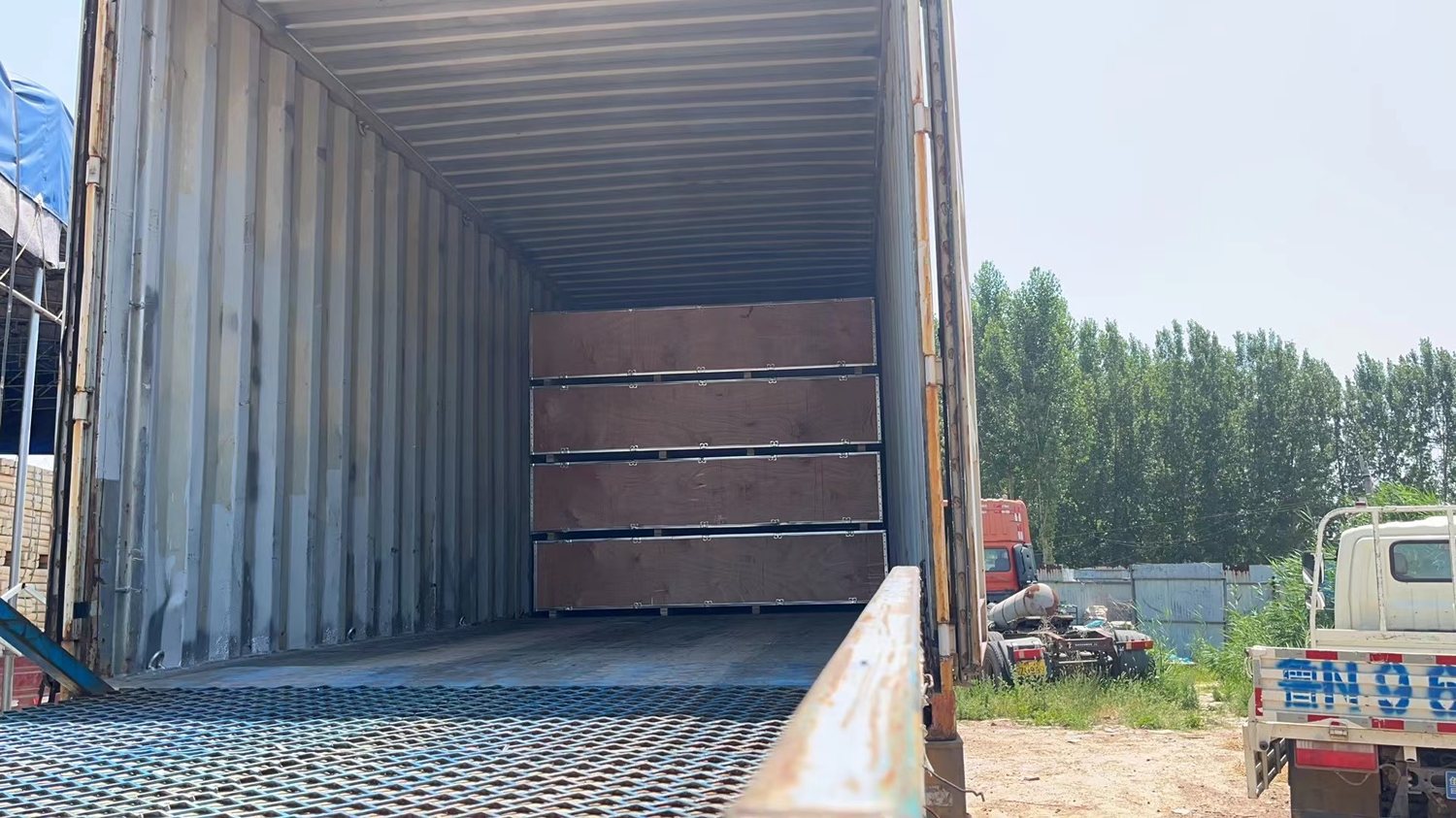
Importing equipment from China is not complicated, but it is unfamiliar the first time. Most delays, cost overruns and disappointments come from the same handful of gaps: unclear specifications, documents nobody asked for until the goods were already on the water, and an assumption that the factory price is the final price.
This is the sequence that works, written for studio owners and distributors buying Pilates equipment from China for the first time.
1. Start with what your market requires
Before you ask for a price, confirm what your country expects the equipment to carry. For most markets that means:
- CE declaration (Europe)
- ISO 9001 for the factory
- Material and load test reports (SGS or equivalent)
- Country-specific import requirements, which vary — ask your customs broker, not your supplier
Ask your supplier for scanned copies before you pay a balance, not after the goods arrive. Retrofitting documentation is slow and expensive, and it is the single most common cause of clearance headaches.
2. Decide what you are actually buying
"Pilates equipment" covers a lot. Be specific:
- How many machines, and of which type — reformer, tower reformer, Cadillac reformer
- Frame material — aluminium, oak, maple or beech
- Upholstery — commercial PU for high-use rooms, leather for premium settings
- Customisation — colour, logo, manual language, carton printing
The more precise you are, the more accurate the quote. A request that says only "reformer, 10 pieces" will get a wide price range, because it could describe three very different machines.
Models can usually be mixed in one order. Our MOQ is 5 pieces, and mixed models are accepted — which matters when you are testing a market and do not want ten of the same thing.
3. Understand what you are paying for
The factory price is one part of the landed cost. The rest:
- Freight — for equipment, packed volume usually matters more than weight
- Duty — HS codes differ by market and can move your margin by several points
- Customs handling and local delivery
- Assembly time — flat-pack saves freight but costs you labour
A useful habit: ask for the packed crate dimensions and the container loading plan. As a working reference, a 20ft container takes about 30 reformers and a 40ft high cube about 75, with each unit shipping at roughly 110 kg gross weight. If a supplier cannot answer that quickly, they have not shipped this product in volume.
4. Confirm the production and shipping window
Typical timelines look like this:
- Samples: 5–7 days once specifications are agreed
- Production: 20–25 days for a full container order, and 7–15 days for a small trial order
- Shipping: depends entirely on your route and port
Ask two specific questions: *what is the lead time from deposit to loading*, and *what happens if it slips*. A supplier who answers both clearly is worth more than one who is slightly cheaper.
We ship from Shanghai, Qingdao or Tianjin, and can send a loading plan before production starts so there are no surprises at the port.
5. Inspect before it ships
Do not skip inspection. Options:
- Factory inspection — either your own visit or an arranged audit (we work with CTI, and video factory tours can be arranged)
- Pre-shipment inspection to an AQL standard — the usual choice for container orders
- Loading supervision — confirm what actually went into the container
Inspection is cheap next to discovering a problem after the goods have landed in another country.
6. Get the documents right
A standard shipment set includes:
- Commercial invoice
- Packing list
- Bill of lading
- Certificate of origin (required in some markets)
- CE declaration and test reports, if your market requires them
Confirm the exact list with your broker early. The most expensive documents are the ones requested after the container has sailed.
7. Plan for arrival
Two things to arrange before the container lands:
Assembly. Your team — not a Pilates technician — will usually do the install. Selected models include an English printed manual, and installation videos are available for every model. Ask for the video for your exact model code in advance so your team can prepare.
Spare parts. Springs are the fastest-wearing component, typically replaced every 12–18 months under daily commercial use. Order 10–20% spare springs, ropes and straps with the machines — they fill gaps in the container you are paying for anyway, and shipping them separately later costs far more.
A short checklist
- ☐Market requirements confirmed (CE, ISO, test reports)
- ☐Specifications written down: models, quantity, material, upholstery
- ☐Landed cost worked out, not just factory price
- ☐Container loading plan received
- ☐Lead time and slip terms confirmed in writing
- ☐Pre-shipment inspection arranged
- ☐Document list confirmed with your broker
- ☐Assembly video and spare parts requested
We build reformers, tower reformers and Cadillac reformers in aluminium, oak, maple and beech, along with foldable models, ladder barrels, chairs and studio equipment. MOQ is 5 pieces and models can be mixed in one container.
Tell us your quantity, destination port and any customisation, and we will quote properly — including an honest answer on whether a different specification suits your market better.
Choosing reformers for a studio or a first container?
Send us your room dimensions, expected weekly usage and destination port. We will tell you which frame and specification actually suits you — and if a cheaper option is the right one, we will say so.
Request a quote