 KETA PILATES
Buying guide
How Long Does a Pilates Reformer Last? (and When to Replace It)
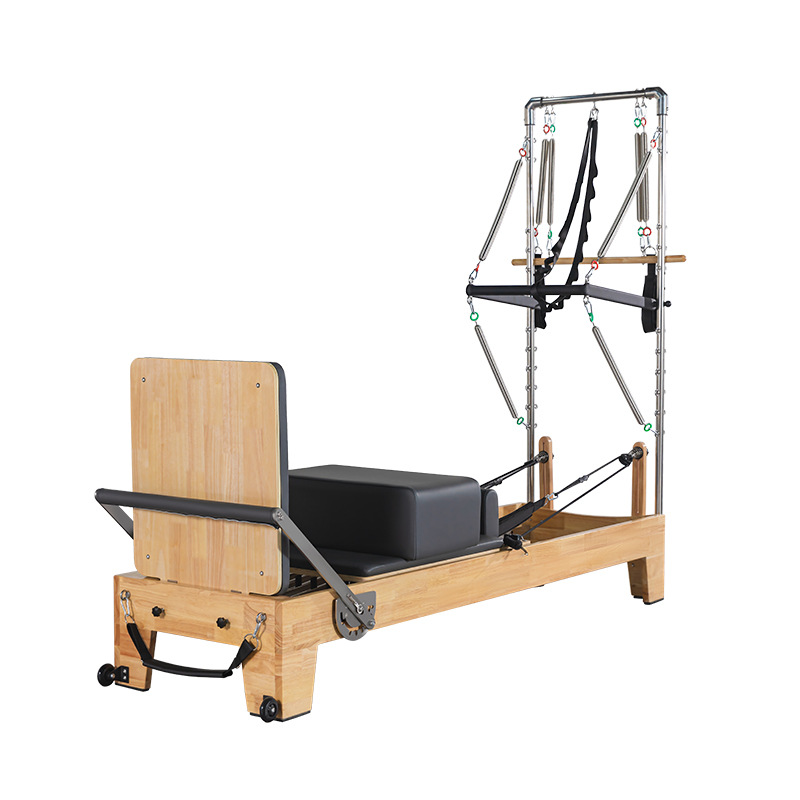
When you price out a studio fit-out, the sticker price is only half the story. The other half is how many years that reformer will actually serve you before it needs replacing — and what parts you will swap along the way. A cheap unit that dies in two years costs more than a solid one that runs for a decade. This guide gives you realistic lifespan numbers, the parts that wear out first, and how to make a reformer last.
The short answer
For daily commercial use, a well-built reformer typically lasts 7–10 years with normal maintenance. A home or light-use unit can run 10–15 years or more. The frame usually outlives everything else; the consumable parts — springs, ropes, straps and wheels — are what you replace periodically to keep it safe and smooth.
| Part | Typical service life (commercial, daily use) |
|---|---|
| Frame (aluminium / hardwood) | 7–15 years |
| Carriage wheels | 2–5 years |
| Ropes / straps | 1–3 years |
| Springs | 1–2 years under heavy use |
| Upholstery | 3–7 years |
These are ranges, not guarantees. Usage volume, user weight and cleaning habits move the numbers.
Why frames last but parts don't
The frame is static — it bears load but does not move much, so a quality aluminium or hardwood frame degrades slowly. The moving and tensioned parts do the real work: springs stretch, ropes fray at the eyelets, wheel bearings wear, straps crack where they bend. That is normal, and it is why a reformer "lasting ten years" really means "frame lasts ten years, parts get refreshed along the way."
The parts you will actually replace
- Springs are the safety-critical item. A stretched or fatigued spring loses resistance and can snap. Under heavy studio use, plan to replace them every 1–2 years; inspect monthly.
- Ropes and straps wear at attachment points. Replace at the first sign of fraying — never wait for failure.
- Carriage wheels get noisy or sticky when bearings go. Swapping them restores the smooth glide clients notice.
- Upholstery tears or discolours with sweat and cleaner. Recovering or replacing the pad keeps the studio looking professional.
A good supplier sells these parts separately and tells you the compatible specs. At KETA we keep springs, ropes, wheels and straps available per model so a studio can refresh a unit instead of retiring it.
What kills a reformer early
A few habits shorten lifespan dramatically:
1. Skipping inspections — a small fray turns into a broken rope mid-class.
2. Overloading beyond rated capacity — see our guide on weight ratings; exceeding it stresses frame and springs.
3. Harsh cleaners — ammonia and bleach crack upholstery and corrode fittings. Use mild, diluted cleaner.
4. Ignoring squeaks — noise is the first signal a wheel or bolt needs attention.
None of these are expensive to fix early. All are expensive to fix late.
How to make a reformer last a decade
- Set a maintenance calendar: quick daily wipe-down, weekly bolt check, monthly spring and rope inspection.
- Train instructors to spot wear and report it — they are the ones who feel a sticky carriage first.
- Buy rated capacity with headroom — a unit running at 70% of its max load lasts far longer than one maxed out daily.
- Keep a spare-parts kit on site: a set of springs, ropes and a wheel or two turns a same-day repair into a non-event instead of a lost class.
The ROI view for studio owners
When you compare quotes, divide the price by expected service life. A $600 reformer lasting 3 years costs $200/year. A $1,000 reformer lasting 10 years costs $100/year — and disrupts your classes far less. The cheaper unit is often the expensive one. Ask every supplier for the frame warranty in writing and the expected lifespan of consumable parts; a confident answer tells you a lot about build quality.
Conclusion
A Pilates reformer is a long-term asset, not a disposable purchase. Expect a decade from a commercial-grade frame, budget for periodic parts replacement, and the total cost of ownership drops well below the bargain units that quit early. Buy rated for headroom, maintain on a schedule, and stock the small parts that wear — your studio stays running and your clients keep gliding.
Planning a studio fit-out? Tell our sales team your class volume and client profile, and we will spec reformers built to last — with the spare parts and warranty to back them. MOQ starts at 5 units, mixable across the range.
Choosing reformers for a studio or a first container?
Send us your room dimensions, expected weekly usage and destination port. We will tell you which frame and specification actually suits you — and if a cheaper option is the right one, we will say so.
Request a quote