 KETA PILATES
Buying guide
Aluminium vs Wood Pilates Reformers: Which to Import
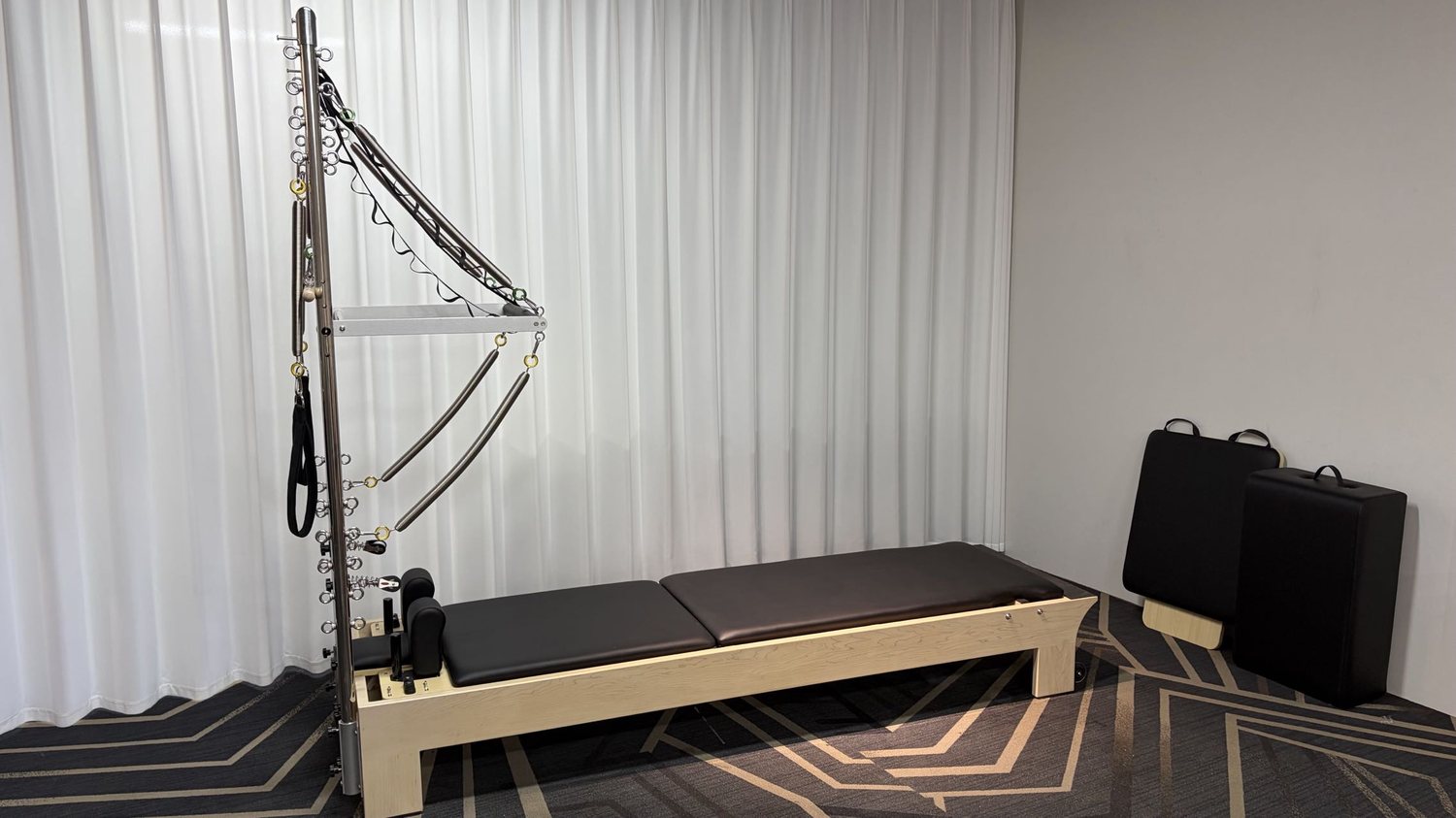
The frame material is one of the first decisions you make on a reformer order — and one of the hardest to undo. Once the machines are in your studio, you cannot swap a wood frame for an aluminium one without buying again.
This is a straight comparison to help you choose between aluminium and wood (oak, maple or beech) reformers for your market, your space and your clients. Neither is "better" in the abstract. They suit different buyers.
1. Durability and climate
This is where the two materials pull apart most clearly.
- Aluminium does not absorb moisture, so it holds up in humid, coastal or poolside locations and in rooms that get disinfected daily. For hotels, resorts, clinics and any space near water, aluminium is the lower-risk frame.
- Wood (oak, maple, beech) is stable indoors and ages well, but it reacts to humidity and needs a little care. In a dry, climate-controlled studio it can look better at year five than the day it arrived. In a damp room it can warp.
If your buyers are in hot, humid markets or near the sea, aluminium is usually the safer import.
2. Weight, feel and stability
Wood reformers are heavier and feel more "grounded" underfoot — many instructors describe the carriage ride as warmer and quieter. Aluminium frames are lighter, which makes them easier to move and rearrange, and they suit multi-use rooms where machines get shifted between classes.
Neither is unstable when built to a commercial standard. The difference is the *feel* and the *handling*, not safety.
3. Look and positioning
- Wood reads as premium and boutique. A maple or oak reformer in a well-lit studio photographs well and supports a higher class price. This is why boutique and premium studios lean wood.
- Aluminium reads as modern, clinical and durable. It fits hotel gyms, rehab clinics, corporate wellness rooms and any setting where "easy to clean" matters more than "warm and natural".
Your frame choice quietly tells clients what kind of studio you are. Pick it on purpose, not by default — the wrong frame in the wrong room is the most common mismatch we see importers make.
4. Maintenance
Aluminium wins on upkeep: wipe it down, done. Wood needs occasional care — a light oil or conditioner on the frame a few times a year keeps it from drying out, and you avoid placing it in direct sun or against a damp wall. Neither is high-maintenance, but wood asks for a little more attention.
For a studio with high daily turnover and a cleaning rota, aluminium saves staff time.
5. Price
Frame material moves the price, but less than most buyers expect. Aluminium commercial frames sit a little higher than entry wood on like-for-like specs; premium hardwoods (oak especially) can sit higher still. The bigger cost drivers are usually load rating, spring quality, upholstery density, certification and customisation — not the frame alone.
Do not let frame material drive the budget conversation. Let client type and room conditions decide, then compare specs.
6. Who typically buys which
| Setting | Usually chooses | Why |
|---|---|---|
| Hotels, resorts, poolside | Aluminium | Humidity, daily disinfection, low upkeep |
| Rehab and physio clinics | Aluminium | Easy-clean, durable, modern |
| Boutique / premium studios | Wood (oak or maple) | Look, feel, higher positioning |
| Corporate wellness rooms | Aluminium | Mixed users, easy maintenance |
| Home / garage studios | Either | Depends on climate and taste |
| Hot or coastal markets | Aluminium | Resistance to moisture |
7. A note on the wood itself
If you go wood, the species matters. Maple is dense and pale, oak is heavier and darker with strong grain, beech is the lighter-cost hardwood. All three work for commercial use when the frame is properly joined and finished. Ask the supplier which species they stock and whether the finish is rated for commercial cleaning products — some finishes dull or crack under daily disinfectant.
One more point on wood, and it matters more than the species: joinery. A properly welded and dowelled oak frame outlasts a poorly joined maple one. Ask how the frame is assembled and whether corner joints are reinforced — that is exactly where cheap wood reformers cut cost, and where a good one earns its price. A supplier who answers this plainly is worth keeping.
8. How to decide for your order
Answer three questions:
1. Is the room humid, coastal or cleaned constantly? If yes, lean aluminium. 2. Do you want a premium, natural look to support higher prices? If yes, lean wood. 3. Will machines be moved often? If yes, aluminium is lighter to handle.
Most importers do not have to pick one forever. A mixed container — aluminium for the clinical/hotel line, wood for the boutique line — is common, and it lets you test both in your market.
We manufacture both: an aluminium reformer range and oak, maple and beech wood reformers, all to the same commercial standard with five to six springs, high-density upholstery and CE, ISO 9001 and SGS-tested models. We support AQL pre-shipment inspection, have been audited by CTI, and offer live video factory tours. MOQ is 5 pieces and you can mix aluminium and wood models in one container.
Choosing reformers for a studio or a first container?
Send us your room dimensions, expected weekly usage and destination port. We will tell you which frame and specification actually suits you — and if a cheaper option is the right one, we will say so.
Request a quote